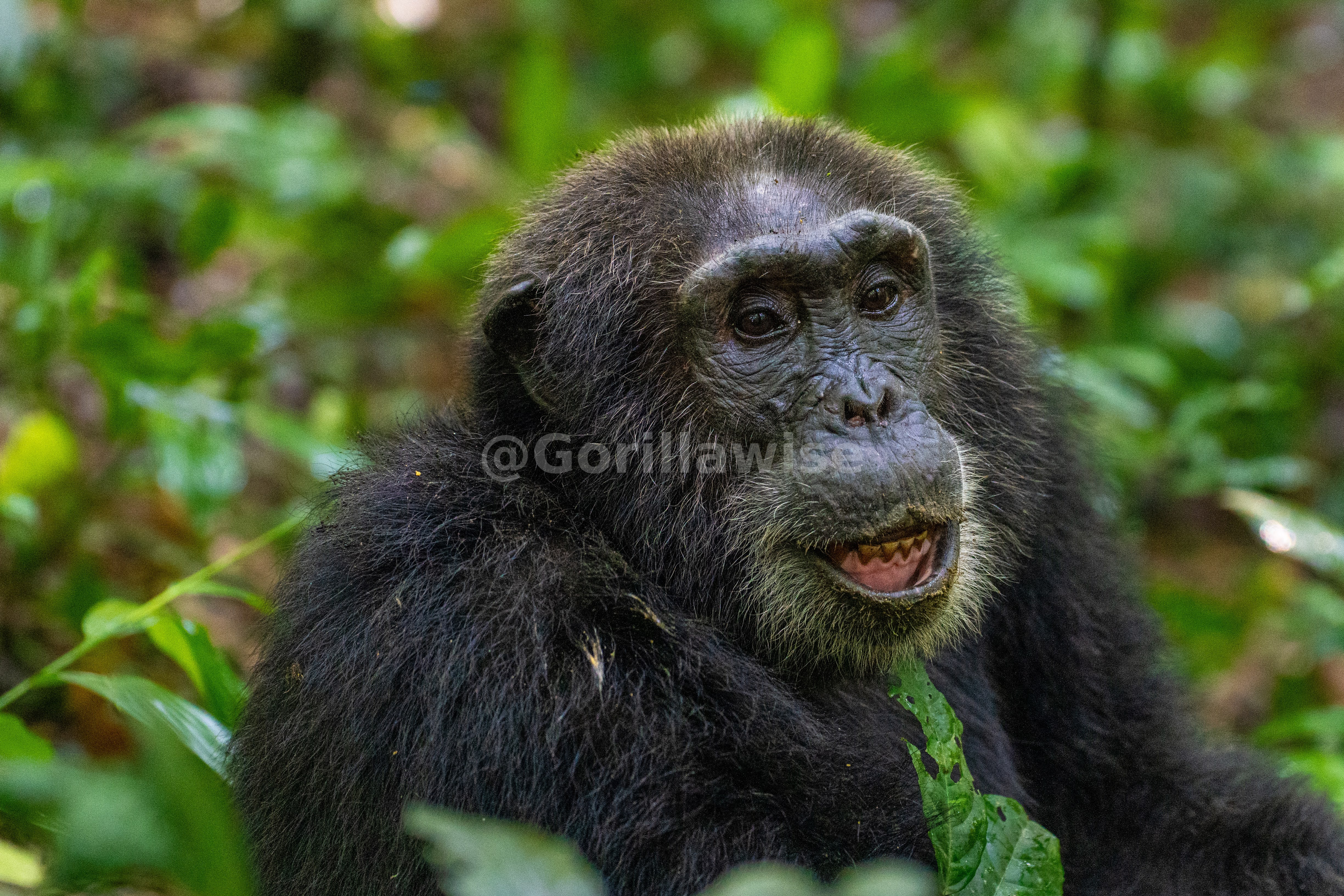
Bwindi Impenetrable National Park is Uganda's most celebrated destination and one of Africa's great conservation successes: a UNESCO World Heritage Site protecting an ancient Afromontane rainforest that holds roughly half of the world's remaining mountain gorillas. The park covers approximately 331 square kilometers in southwestern Uganda along the edge of the Albertine Rift, rising from around 1,190 to 2,607 meters and sheltering extraordinary biodiversity within its dense, layered forest. The word 'bwindi' means impenetrable in the Rufumbira language, and the terrain lives up to the name: steep ridges, tangled undergrowth, matted vines, and ancient trees create a forest that feels primordial. More than 400 mountain gorillas live in and around the park, organized into approximately 50 social groups, of which around 20 are habituated for research or tourism. Permits to trek here are among the most sought-after in Africa.
Highlights
Top Experiences
Mountain gorilla trekking with expert Uganda Wildlife Authority rangers, spending one hour with a habituated gorilla family in their natural habitat — one of the most profound wildlife experiences on earth
Gorilla habituation experience, a full-day forest visit with a gorilla group still in the process of habituation, available in the Rushaga and Nkuringo sectors
Forest birding with more than 350 species including 23 Albertine Rift endemics — Bwindi is Uganda's top birding destination and one of Africa's best
Community walks around Buhoma, Ruhija, Nkuringo, and Rushaga with Batwa guides sharing traditional forest knowledge
Batwa Cultural Experience with the indigenous forest people who lived in Bwindi for centuries before the park's establishment
Forest hiking on the Munyaga River Trail, Waterfall Loop, and Rushura Hill Trail for non-gorilla forest experiences
Village walks and cultural exchanges in the communities surrounding each sector of the park
Bwindi Community Hospital and conservation project visits
Sectors
Bwindi is managed in four sectors, each with habituated gorilla groups, its own accommodation, and a distinct character. Buhoma in the north is the most established, with the longest list of lodges. Ruhija in the east is the highest and least visited, best for birding. Rushaga and Nkuringo in the south offer a wider range of habituated groups and the gorilla habituation experience. Choosing a sector depends on your permit allocation, which lodge appeals to you, and whether you want to combine with Queen Elizabeth NP (from Ishasha) or Lake Bunyonyi.
Gorilla Permits
Permits cost USD 800 per person per trek (2024 rates, subject to change) and are issued by the Uganda Wildlife Authority. They must be booked in advance — ideally months ahead for peak season (June to September and December to February). Trek difficulty varies: some groups require steep, muddy climbs of four to eight hours while others are found in under an hour.
🦍 With GorillaWise Collection & Safaris
Gorilla trekking at Bwindi is the centerpiece of many of the Uganda itineraries we build. We secure permits in advance, place you in the right sector, and combine the experience with Lake Bunyonyi, Queen Elizabeth NP, or Kibale for a complete southern Uganda circuit.
Available Packages

7-Day Rwanda & Uganda Adventure
7 days · On Request
17-Day Rwanda & Uganda Ultimate Wildlife, Gorilla & Adventure Safari
17 days · On Request

21-Day Grand East Africa Safari
21 days · On Request

10-Day Rwanda & Uganda Big Five Safari
10 days · On Request

14-Day Primates & Big Five Safari
14 days · On Request
10-Day Grand Primate Circuit
10 days · On Request

7-Day Uganda Primates Safari
7 days · On Request

10-Day Rwanda & Uganda Gorilla Circuit
10 days · On Request
🗓️ Best Time to Visit
Year round. June to September and December to February are the main dry seasons, with better trail conditions and clearer views. March to May and October to November bring heavier rain but fewer visitors.
Uganda 🇺🇬