Kibale Forest National Park is one of Uganda's most remarkable wildlife destinations and one of the finest places in Africa to experience chimpanzees in their natural habitat. Located in western Uganda near Fort Portal, the park protects one of East Africa's most important tropical forests and is internationally renowned for its extraordinary concentration of primates. Often described as the 'Primate Capital of the World', Kibale is home to approximately 1,500 chimpanzees and 13 primate species in total. Covering approximately 766 square kilometres, the ecosystem consists mainly of evergreen and semi-evergreen tropical forest, together with woodland, grassland and wetland habitats, supporting more than 70 mammal species and over 350 bird species.
Highlights
Top Experiences
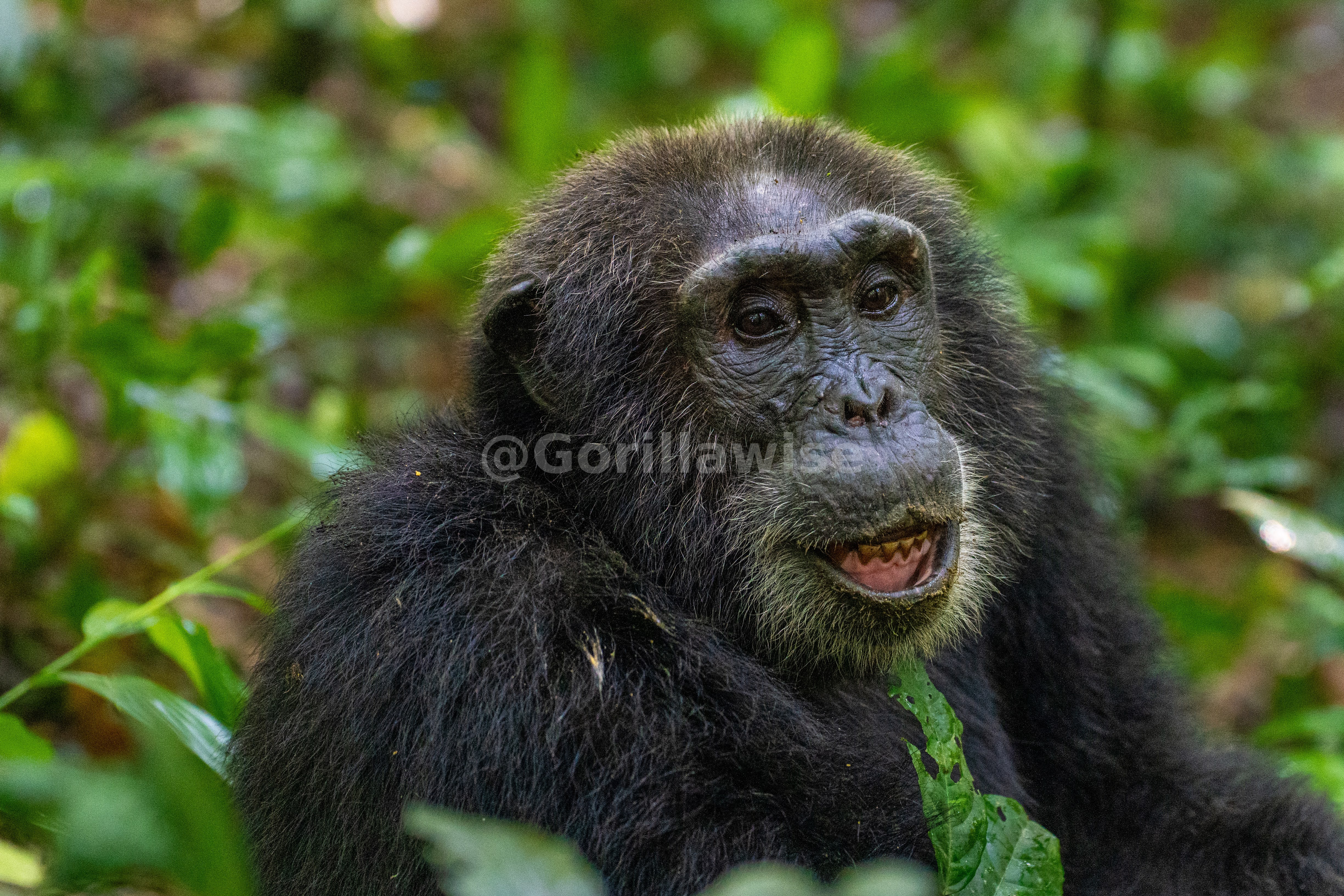
Chimpanzee trekking — the most famous activity in Kibale: following trained guides and trackers through the forest to observe habituated wild chimpanzees feeding, grooming, playing and travelling through the canopy
Chimpanzee Habituation Experience — a full day in the forest with a chimpanzee community being habituated to humans, providing a deeper understanding of chimp behaviour and conservation research. Ideal for wildlife photographers and primatology enthusiasts
Bigodi Wetland Sanctuary — a guided walk through a community-managed wetland with red-tailed monkeys, colobus, blue monkeys, baboons and exceptional birdlife. A meaningful conservation and community experience
Forest nature walks to appreciate the full ecosystem: different monkey species, forest elephants, giant forest hogs, ancient trees and an immersive rainforest atmosphere
Birdwatching for Great Blue Turaco, African Pitta, Grey Parrot, Yellow-spotted Nicator, Blue-headed Sunbird and Albertine Rift specialists along forest trails and the Bigodi wetland
Night forest walks to search for bushbabies, pottos, tree hyraxes, chameleons, frogs and nocturnal birds — a completely different side of the rainforest after dark
Primate watching for the full 13-species diversity: from the acrobatics of colobus monkeys to the mysterious nocturnal world of bushbabies and pottos
The Chimpanzees of Kibale
Kibale holds approximately 1,500 wild chimpanzees — one of the most important chimpanzee conservation areas in East Africa. Unlike the quiet, slow-moving experience of gorilla trekking, chimpanzee trekking is usually more dynamic. Visitors may observe chimpanzees calling loudly through the forest, moving rapidly through the trees, feeding on fruits, grooming one another and displaying complex social behaviour.
Chimpanzee Habituation vs Trekking
Standard chimpanzee trekking involves a limited period of observation with a habituated group. The Chimpanzee Habituation Experience allows visitors to spend much longer periods — often most of the day — with a community undergoing habituation. This provides far deeper insights into chimp behaviour and is particularly suited to wildlife photographers, researchers and those wanting the most exclusive forest experience.
Bigodi Wetland Sanctuary
Bigodi is a community-based conservation initiative near Kibale that protects a rich wetland ecosystem. The guided walk offers sightings of multiple monkey species, bushbucks, numerous birds and butterflies. Bigodi is particularly famous among birdwatchers and provides an important opportunity for visitors to learn about how conservation and tourism work together with local communities.
Combining Kibale with Other Destinations
Kibale sits between Queen Elizabeth National Park to the south and the Rwenzori Mountains to the west, making it the perfect centrepiece of a western Uganda circuit. It can also be combined with Semuliki National Park for a contrast between highland forest and lowland jungle environments.
🦍 With GorillaWise Collection & Safaris
We arrange chimpanzee trekking experiences in Kibale as part of carefully designed Uganda safari itineraries, often combining the forest with Queen Elizabeth National Park, Bwindi Impenetrable National Park, Mgahinga Gorilla National Park and Rwanda's Volcanoes National Park. Kibale is the natural centrepiece of a western Uganda circuit that connects gorilla trekking in the south with savannah wildlife in the east.
Available Packages
Rwanda & Uganda Primates Safari
7 days · From $5,800
17-Day Rwanda & Uganda Ultimate Wildlife, Gorilla & Adventure Safari
17 days · On Request

14-Day Primates & Big Five Safari
14 days · On Request

10-Day Grand Primate Circuit
10 days · On Request

7-Day Uganda Primates Safari
7 days · On Request

10-Day Rwanda & Uganda Gorilla Circuit
10 days · On Request
🗓️ Best Time to Visit
Kibale can be visited year-round and chimpanzees are present throughout. The drier months (June–August and December–February) may offer easier forest conditions. The wetter seasons bring lush vegetation, excellent birdwatching and dramatic forest atmosphere. Birdwatching is particularly rewarding during the rainy seasons when migratory species arrive.
Uganda 🇺🇬